What to wear to a TV Interview?
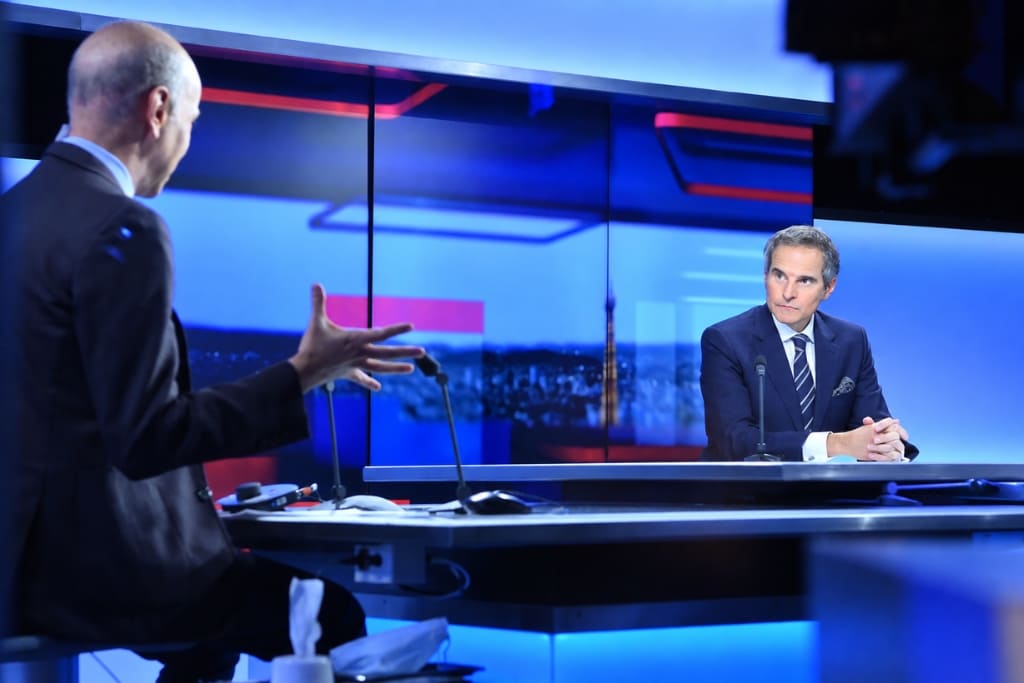
Appearing as a guest on television means your outfit needs to work both professionally and on camera. If you're wondering what to wear to a TV interview, the goal is to look polished, credible and comfortable without allowing your clothes to distract from what you're there to say. Classic tailoring, controlled patterns and a clean colour palette create a confident appearance that translates naturally from the studio to the screen.
One Outfit for a TV Interview
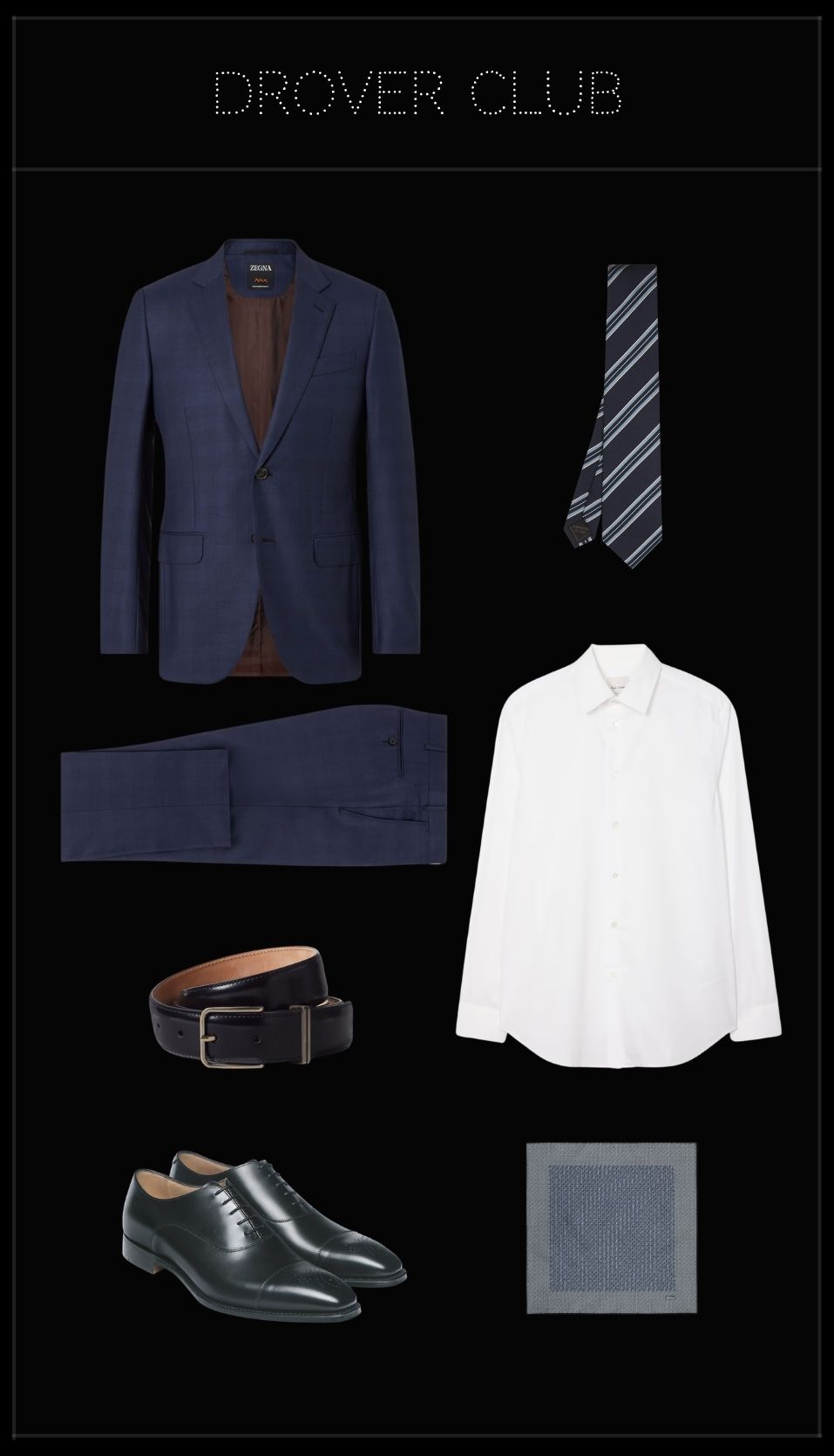
- Prince of Wales navy wool suit
The navy Prince of Wales suit provides a confident professional foundation, with subtle pattern and texture adding depth without becoming distracting on camera.
- White cotton formal shirt
A crisp white shirt keeps the look clean and bright, providing clear contrast against the navy tailoring while maintaining a timeless professional appearance.
- Regimental silk tie
The midnight blue and sky blue regimental tie introduces restrained pattern and personality while remaining sophisticated enough for a broadcast setting.
- Black leather Oxford shoes
Classic black Oxfords reinforce the formal character of the outfit and provide a polished finish that works equally well before, during and after the interview.
- Black leather belt
A matching black leather belt keeps the outfit cohesive and understated, allowing the tailoring to remain the focus.
- Micro-motif pocket square
The steel blue pocket square introduces a subtle additional layer of texture and colour without competing for attention on screen.
Why this outfit works?
Appearing on television requires slightly more consideration than a normal business meeting because people see your clothes through a camera rather than only in person. Navy and white provide strong, dependable contrast, while the restrained patterns introduce visual interest without dominating the frame. The navy-and-white palette keeps the frame clean, while the restrained patterns add enough interest without pulling attention away from the guest or the conversation.
What changes on camera?
Clothes behave differently on camera than they do in person. Fine stripes, small checks and other tightly repeated patterns can sometimes create a moiré effect, making the fabric appear to shimmer or move on screen. Highly reflective fabrics can also catch studio lighting more strongly than expected. Solid colours and matte textures are therefore easier for the camera to handle. That does not mean every outfit needs to be completely plain, but pattern should be controlled. One patterned element is usually easier to manage than several competing ones.
Contrast matters too. Your jacket, shirt and background should remain visually separate without creating an excessively harsh combination. If possible, ask what the studio background looks like before choosing the final outfit. Fit becomes particularly noticeable when the camera moves into a close frame. A collar that lifts, lapels that buckle or a jacket that pulls across the chest will be much more obvious on screen than they may appear in a mirror. The goal is simple: nothing in the outfit should compete with your face or what you are saying.
When to wear this look?
This outfit also works well for:
- TV appearances
- on-camera presentations
- press briefings
- panel discussions
- executive presentations
- formal corporate broadcasts
It can also work for important professional meetings where you want to appear polished without looking excessively formal.
Style notes
- Avoid very small, high-contrast patterns that can create distracting visual effects on camera.
- Keep accessories restrained so they don't compete with your face or what you're saying.
- Ask the production team about the studio background when possible, as this can influence your choice of colour.
- Prioritise fit around the shoulders and collar, as television interviews are often filmed while seated.
What to check before going on air?
Try the complete outfit on earlier in the day and spend a few minutes sitting in it, not just standing in front of a mirror. Check that the shirt collar remains flat, the tie stays centred and the jacket does not pull across the chest when you sit down. Look for visible lint, creases or anything that may become more noticeable under studio lighting. Keep accessories secure. A loose pocket square, bracelet or piece of jewellery that moves every time you gesture can quickly become distracting on screen.
It is also worth leaving a clear place for a lavalier microphone if the production uses one. Avoid necklaces, loose accessories or fabrics around the collar that may rub against the microphone and affect the sound. If possible, ask the production team about the set, lighting, format and the kind of questions you will be answering. Knowing the format in advance lets you focus on your answers rather than making last-minute adjustments to your clothes. A few practical checks before you arrive are easier than trying to adjust the outfit once you are already under studio lights.
Good to know: This outfit is one possible way to dress for a TV interview. The right choice depends on the programme, your profession, the studio setup, the level of formality and how the clothes appear on camera.
For a broader overview of business dress codes, levels of formality and what to wear across different professional settings, see our complete guide to business attire for men.
How to adapt this look?
You don’t need to recreate this outfit exactly. What matters is keeping the same balance between professional tailoring and visual restraint. If navy is not your preference, a charcoal or mid-grey suit works just as well. The white shirt can be replaced with a pale blue shirt for a softer contrast under studio lighting, while a solid navy, burgundy or textured silk tie offers an even quieter alternative to the striped version.
Black Oxfords remain the safest choice for a formal broadcast setting, although dark brown Derbies can work if the programme or your profession is less traditional. Keep the pocket square simple, or leave it out entirely if the tie already provides enough visual interest. The aim is to keep one clear focal point rather than combining several competing patterns or accessories.
In-Studio vs Remote TV Interview
The same general principles apply in studio and remotely, but the environment changes what deserves your attention. In a studio, the production team controls the lighting, cameras, background and much of how the room appears on screen. Your priority is therefore a clean silhouette, controlled pattern and an outfit that still sits properly once you are in the interview chair. You may also need to accommodate a microphone on your lapel or shirt.
A remote appearance gives you more responsibility for the image. Your clothes need to work with your own background and lighting setup. Avoid wearing a jacket or shirt that disappears into the wall behind you, position the camera around eye level and make sure your face is lit from the front rather than from a bright window behind you. Even if only your upper body is visible, dress properly from head to toe. Apart from avoiding an awkward moment if you need to stand up, wearing the complete outfit generally helps the overall appearance feel more deliberate.
About Drover Club
Drover Club is a men’s online styling service that helps men dress right for the moments that matter. For weddings, business events, black-tie evenings, cocktail parties and other special occasions, we curate complete, ready-to-shop outfits from different brands, based on your style preferences, budget, sizes and existing wardrobe.