What to wear to a Tennis Match: A Guide for Men

Going to watch a tennis match does not mean dressing as though you are about to play nor does it automatically mean dressing particularly formally. There is no single tennis spectator outfit. What a man should wear depends on the tournament, the type of ticket or access he has, the session he is attending and the conditions in which he will spend the day.
A day spent moving between courts in the sun does not necessarily call for the same outfit as an evening session followed by dinner, or access to a members’ area or hospitality space with its own dress requirements.
For many spectators, smart casual is a useful starting point, but it is not a universal dress code. Some experiences allow considerably more flexibility, while others call for a more polished approach. The best way to decide what to wear is therefore to understand the tennis experience you are actually attending, then find the right balance between polish, context and practicality.
This guide for you if...
01 - "I’m going to a tennis match and I’m not sure how dressed-up spectators are expected to be."
02 - "I don’t know whether my ticket, seating or hospitality access changes what I should wear."
03 - "I want to look appropriate for tennis without dressing as though I’m about to step onto the court."
04 - "I need an outfit that still works after hours of walking, sitting, sun and changing weather."
Tennis spectator at a glance
Before deciding on a polo, trousers or shoes, start with the factors that actually determine what you should wear.
Start with the experience you have booked, not with a generic idea of “tennis style”.
Table of Contents
- How to Decide What to Wear to a Tennis Match
- How Dressed-Up Should a Tennis Spectator Be?
- The Tennis Spectator Outfit, Piece by Piece
- Tennis-Inspired Style vs Dressing Like a Player
- Dressing for a Full Day of Tennis
- Day Session vs Night Session
- What to Wear to Different Tennis Tournaments
- What Not to Wear to a Tennis Match
- FAQ - What to Wear to a Tennis Match
How to decide what to wear to a tennis match?

The first mistake is starting with the clothes themselves: Polo or shirt? Shorts or trousers? Trainers or loafers? Those choices become much easier once the context is clear. A useful order is:
Tournament → Ticket & Access → Session → Conditions → Level of Polish → Personal Style
Start with the tournament
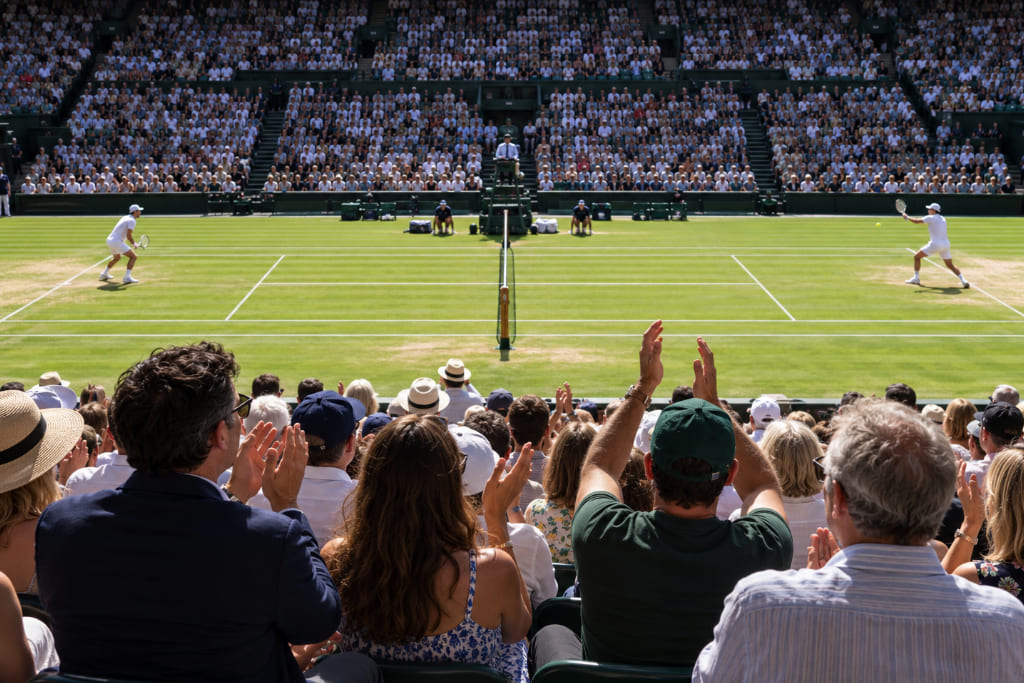
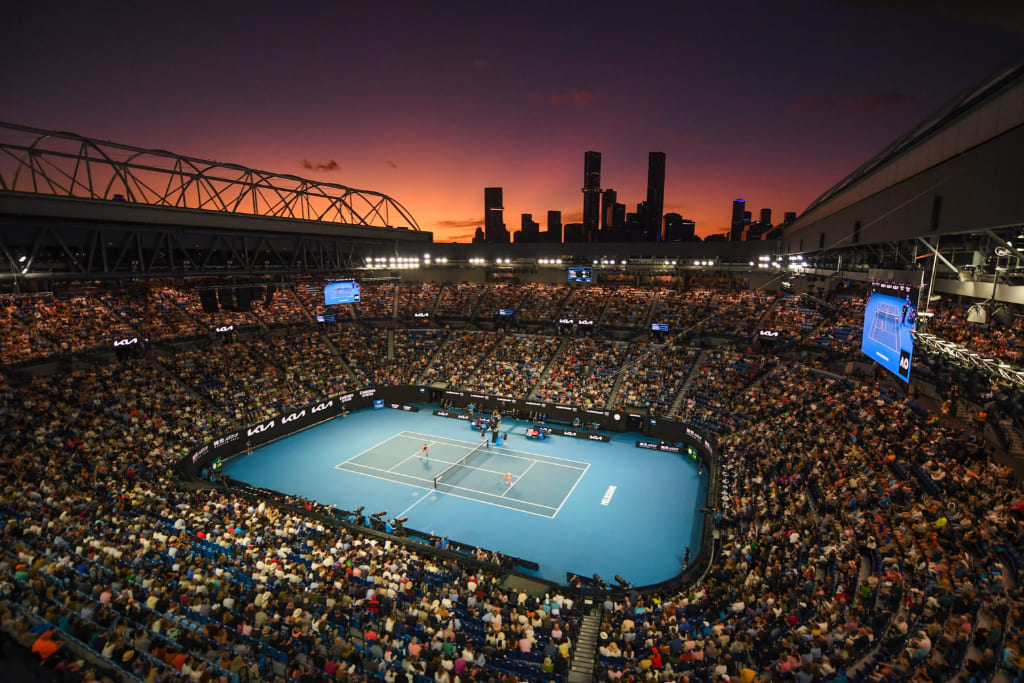
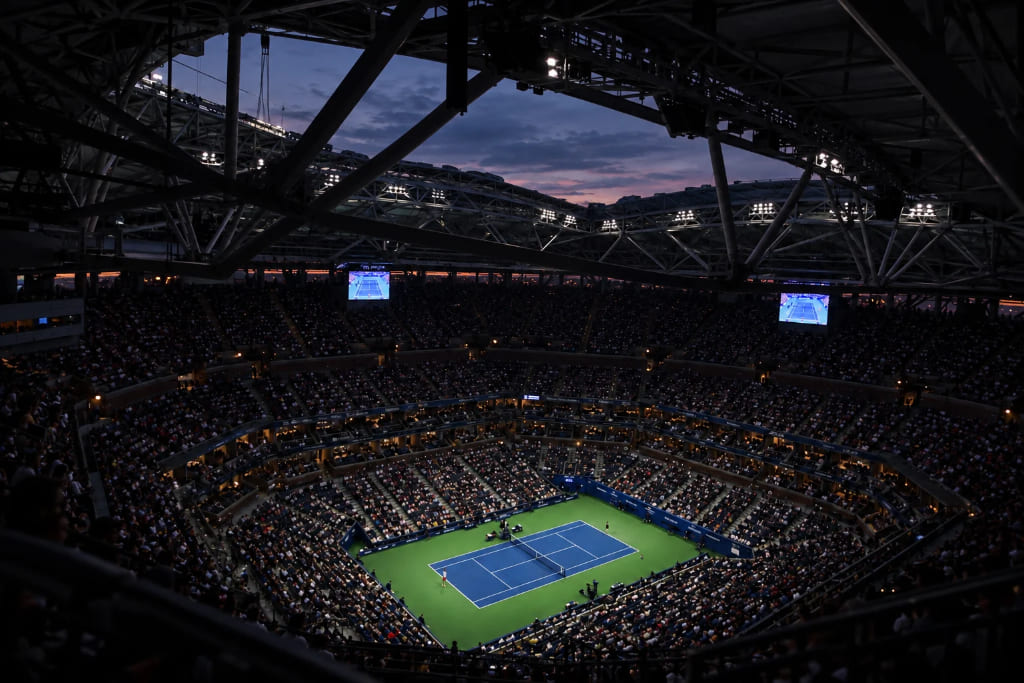
Every tournament has its own culture. Wimbledon is associated with a smarter spectator tradition and a distinctive British identity. The US Open has a more urban, contemporary and relaxed atmosphere. Roland-Garros takes place in a Parisian spring setting where understated sport-chic feels particularly natural. At the Australian Open, summer heat and sun protection move much higher up the list of priorities. The tournament therefore provides the overall tone, but does not determine the outfit on its own.
Good to know: The tournament sets the tone, but it does not necessarily set one universal dress code.
Check your ticket and access
Your type of access can have more influence on what you should wear than the name of the tournament itself. Depending on your ticket, you may spend the day:
- on the grounds;
- on a show court;
- in a premium area;
- in hospitality;
- in a members’ area with its own standards.
This matters particularly when looking for inspiration online. Celebrities, members and invited guests photographed in premium spaces do not necessarily represent how a standard ticket holder needs to dress. Wimbledon illustrates this distinction particularly well: certain reserved areas have their own dress requirements, while the wider tournament experience allows considerably more flexibility.
For example, the official Wimbledon Members’ Enclosure dress code states that gentlemen should wear a lounge suit or tailored jacket, shirt, tie and trousers, and that sports shoes are not permitted.
The useful question is therefore not simply: “What do people wear to Wimbledon?” but: “What does my particular access call for?”
Good to know : Do not copy the outfit of a hospitality guest until you know whether you are having the same experience.
Consider the session
A day session and a night session do not necessarily create two different dress codes. They mainly create two different experiences.
Day Session
You are more likely to need to think about:
- direct sun;
- heat;
- breathable fabrics;
- prolonged exposure;
- long periods outdoors;
- sunglasses or headwear where appropriate.
Night Session
Temperatures may fall, particularly after a hot day. A lightweight layer can therefore become useful. A slightly smarter outfit may also feel natural if the evening includes hospitality, dinner or drinks around the match, but this is not a rule inherent to a night session.
Full Day
If you arrive in the morning and remain until the evening, build an outfit that can work across changing conditions.
Good to know : Session changes the conditions more reliably than it changes the dress code.
Check the conditions
A full day of tennis can be more demanding than it first appears. Even with a reserved seat, it may involve:
- plenty of walking;
- queues;
- moving between courts;
- several hours seated;
- exposed stands;
- high temperatures;
- rain;
- humidity;
- changing temperatures throughout the day.
These conditions should mainly influence:
- Fabrics → weight, breathability and how they handle heat.
- Footwear → genuine comfort after several hours, not just the first fifteen minutes.
- Layers → the ability to add or remove a piece easily.
- Accessories → sunglasses, headwear or weather protection when suitable and permitted.
Comfort should be built into the outfit rather than added as an afterthought. Comfort does not necessarily mean dressing more casually. It means making better choices within the appropriate level of dress.
Decide on the right Level of polish
Once you understand the tournament, your access and the conditions, you can decide how refined the outfit actually needs to be. Most spectator outfits sit somewhere along this spectrum:
Relaxed Spectator
↓
Smart Casual
↓
Polished Spectator
↓
Hospitality / Members-Level Dressing
The aim is not to move automatically towards the smartest possible outfit. It is to identify the level that genuinely suits your day.
Add your personal style last
Once that level is clear, use the remaining freedom to make the outfit feel like your own through:
- colour;
- fabric;
- proportions;
- footwear;
- accessories;
- preppy elements;
- stronger or subtler tennis influences.
The tournament can inspire the outfit without dictating it completely. The aim is not to look like a generic tennis spectator. It is to find the version of spectator dressing that fits your day and your style.
How dressed-up should a tennis spectator be?

Attending a major tournament does not necessarily mean wearing a suit. At the same time, the fact that you are attending a sporting event does not mean sportswear is always the right answer. For most men, the appropriate level sits somewhere between those two extremes.
Relaxed spectator
When access is standard, the atmosphere relaxed or the weather particularly hot, a less structured outfit can work perfectly well. One possible direction is: Refined Polo or T-Shirt + Tailored Shorts or Casual Trousers + Clean Comfortable Footwear. The difference between a well-considered relaxed outfit and something that simply looks casual often comes down to:
- fit;
- fabric;
- condition;
- proportions;
- footwear;
- overall coherence.
A well-cut T-shirt with lightweight trousers and clean trainers can look considerably more appropriate than a performance polo worn with sports shorts. Relaxed spectator dressing should still feel intentional.
Polished spectator
This is probably the best balance for many major tournaments. One possible formula is: Polo or Casual Shirt + Tailored Trousers or Chinos + Optional Knit / Lightweight Jacket + Refined Comfortable Footwear. It works particularly well when your day may include:
- several matches;
- moving around the grounds;
- lunch;
- drinks;
- a show court;
- a restaurant;
- plans after the tennis.
A polo works particularly well because it refers subtly to the world of tennis while remaining polished. A casual shirt raises the level slightly. A fine knit or lightweight jacket can add polish while also giving you an extra layer if the temperature changes.
Good to know : Polished spectator style should look considered without feeling dressed for a completely different occasion.
Hospitality / members-level
Some experiences genuinely call for more. Depending on the rules of the venue, that may mean: Tailoring or Smart Separates + Shirt + Appropriate Footwear + Tie where required.
One distinction remains essential: The higher level of dress comes from the access, not from tennis itself. A jacket, tie or smarter footwear may be necessary in particular areas without becoming a recommendation for every spectator at the tournament.
The tennis spectator outfit, piece by piece
Once you have chosen the right level of polish, every piece should follow the same principle: Smart enough for the setting. Comfortable enough for the day.
Shirts, polos and t-shirts
Your top half has a strong influence on how polished the overall outfit feels.
- Shirt → A shirt is generally the smartest of the three options. A lightweight Oxford shirt, linen shirt or another breathable fabric can add polish without making the outfit feel like officewear. The key is ensuring the rest of the outfit does not become too corporate.
- Polo → A polo is probably the strongest middle ground for many spectators. It naturally sits between a T-shirt, a shirt and the sporting world. Choose one designed as a wardrobe piece rather than a technical performance polo intended for playing.
- Refined T-Shirt → In more relaxed settings, a well-cut T-shirt can work perfectly well. Fabric quality, fit, neckline and condition become especially important.
Good to know: Choose the top according to the level of polish, not because it looks stereotypically “tennis”.
Trousers and shorts
Versatile options include:
- chinos;
- tailored trousers;
- lightweight trousers;
- linen-blend trousers;
- tailored shorts when the climate and access make them appropriate.
Shorts deserve a little nuance. A well-cut pair can be entirely suitable on a hot day, particularly when much of the time is spent moving around the grounds. But there is an important distinction between: tailored shorts and: performance tennis shorts. Watching a sporting event does not automatically make technical sportswear spectator clothing.
Jackets and knitwear
An extra layer can serve two different purposes.
- Adding Polish → A lightweight jacket or smart separates can immediately lift the outfit when your access or plans justify it.
- Adding a Useful Layer → A fine knit, cardigan, refined overshirt or lightweight jacket can manage changing temperatures without disrupting the outfit.
The more premium or regulated the access, the more important the distinction becomes between a practical layer and genuine tailoring. Layering should respond both to the temperature and to the level of dress expected.
Shoes
Footwear is probably the most important comfort decision. A major tournament can involve several miles of walking, stairs, queues and long periods standing. For many standard spectator areas, clean, understated trainers work very well.
When more polish is appropriate, consider:
- loafers;
- lightweight Derbies;
- other genuinely comfortable smart shoes.
Some premium or members’ areas may, however, impose additional restrictions.
Good to know: Choose the smartest shoe you can comfortably spend the day in within the rules of your access.
A slightly more relaxed shoe that remains comfortable for eight hours may be a better choice than a very formal pair you can barely walk in after two sets.
Accessories
Accessories should either improve the outfit or make the day more practical. That may include:
- sunglasses;
- a watch;
- a cap or other appropriate headwear;
- a bag that complies with tournament rules;
- sun protection;
- a lightweight layer or weather protection.
One subtle reference to tennis is usually enough. Combining a polo, retro trainers, cap, collegiate knit and an entirely white palette can quickly make the outfit feel as though it is trying too hard to fit the theme.
Tennis-inspired style vs dressing like a player
Tennis has a particularly strong visual identity. It is therefore natural to borrow from elements such as:
- white;
- ecru;
- navy;
- green;
- polos;
- stripes;
- collegiate knitwear;
- classic trainers;
- caps;
- preppy influences.
But tennis-inspired style and tennis clothing are not the same thing. A spectator has no particular reason to wear:
- a performance polo;
- technical shorts;
- court shoes;
- an outfit designed for playing;
- head-to-toe white simply because they are attending Wimbledon.
The famous Wimbledon whites belong to the dress code for competitors on court. They are not a general requirement for spectators.
Good to know : Borrow from tennis style if you like it. You do not need to wear tennis clothing to look right as a spectator.
The best references are often subtle. An ecru polo, navy knit, classic trainers or a tennis-inspired palette can create the connection without turning the outfit into themed dressing.
Dressing for a full day of tennis
A good spectator outfit should ideally work when you arrive and several hours later.
In hot weather
Start by adapting the fabric, rather than automatically lowering the level of dress. Depending on the outfit, that may mean:
- lightweight cotton;
- linen blends;
- tropical wool in smarter settings;
- breathable polos;
- lightweight shirts;
- softer, lighter trousers.
Adapt the fabric before automatically lowering the level of dress. This is particularly important at summer tournaments.
In the sun
Several hours in exposed seating can change how an outfit performs. Sunglasses, sun protection and appropriate headwear can therefore become genuinely practical choices. They simply need to remain compatible with the level of the experience. A discreet cap may feel entirely natural on the grounds and far less appropriate in certain premium spaces.
In the rain
Weather interruptions can extend the day considerably and change the conditions. A layer that is easy to carry or permitted weather protection can therefore be useful. As always, check the tournament rules concerning bags, umbrellas and other items before attending.
Think about the hours spent sitting too
Comfort is not only about footwear. A rigid jacket, overly tight trousers or a fabric that does not breathe well can become particularly uncomfortable after several hours in a stand. Think about:
- trouser fit at the waist;
- freedom of movement;
- fabric weight;
- breathability;
- jacket construction;
- how the clothes handle heat and creasing.
The best spectator outfit should still feel good several hours after you put it on.
Day session vs night session
The session mainly affects the conditions of the day, rather than creating a different dress code.
- Day Session → The priority is often: heat + sun + walking + long hours outside This is where breathable polos, lightweight shirts, suitable trousers, well-cut shorts and comfortable footwear make most sense.
- Night Session → An evening session may allow for slightly more structure, particularly if it is combined with dinner or hospitality. But it remains contextual. A night session does not automatically require a more formal outfit. The real difference comes from the temperature, your access and what you have planned around the match.
What to wear to different tennis tournaments?
The four Grand Slams share the same sport, but their spectator cultures and practical conditions can lead to quite different outfit directions. The aim here is not to provide four complete outfits our dedicated guides do that but to understand what changes from one tournament to another.
Wimbledon
Wimbledon probably has the most recognisable spectator culture. Polos, casual shirts, lightweight tailoring, chinos, knitwear and a certain form of British smart casual all feel particularly natural. But images from the tournament can be misleading. Celebrities, members and invited guests photographed in certain areas are often much more formally dressed than a standard spectator needs to be.
Some types of access genuinely have their own dress requirements, while others leave far more room for interpretation. British weather adds another variable: the same day may call for lightweight fabrics, sunglasses and an additional layer. At Wimbledon, distinguish the tournament’s smart visual culture from the actual rules attached to your access.
See one complete outfit for Wimbledon → What to wear to Wimbledon?
US Open
The US Open generally allows considerably more stylistic freedom. Its New York setting lends itself to a more urban and contemporary approach, ranging from particularly clean casualwear to polished spectator dressing. Day sessions can be very hot, while evening sessions offer more scope for layering.
A polo, lightweight shirt or refined T-shirt can all work with chinos, trousers or appropriate shorts depending on the level you are aiming for. At the US Open, comfort and personal style can play a larger role, provided the outfit still feels considered.
See one complete outfit for the US Open → What to wear to US Open?
Roland-Garros
Roland-Garros lends itself naturally to an understated sport-chic approach. Polos, casual shirts, chinos, lightweight trousers, knitwear, clean trainers or loafers can all work depending on the conditions and desired level of polish. Parisian spring weather also deserves consideration: heat, cooler temperatures and rain can all appear during the tournament.
The right direction is not to try to “dress Parisian”, but to build a refined outfit that remains easy to wear for several hours. Roland-Garros lends itself naturally to understated sport-chic rather than obvious tennis-themed dressing.
See one complete outfit for Roland-Garros → What to wear for Roland-Garros?
Australian Open
In Melbourne, heat and sun should enter the decision very early. For standard access, a lightweight but considered outfit works naturally:
- polo;
- refined T-shirt;
- lightweight trousers;
- tailored shorts;
- clean trainers.
Certain premium experiences may introduce their own restrictions or call for a more polished approach. The mistake would be sacrificing thermal comfort purely to appear more dressed-up. At the Australian Open, dress for the heat first then refine the outfit according to your access.
See one complete outfit for the Australian Open → What to wear to the Australian Open?
Explore Tennis Spectator Outfits by Tournament
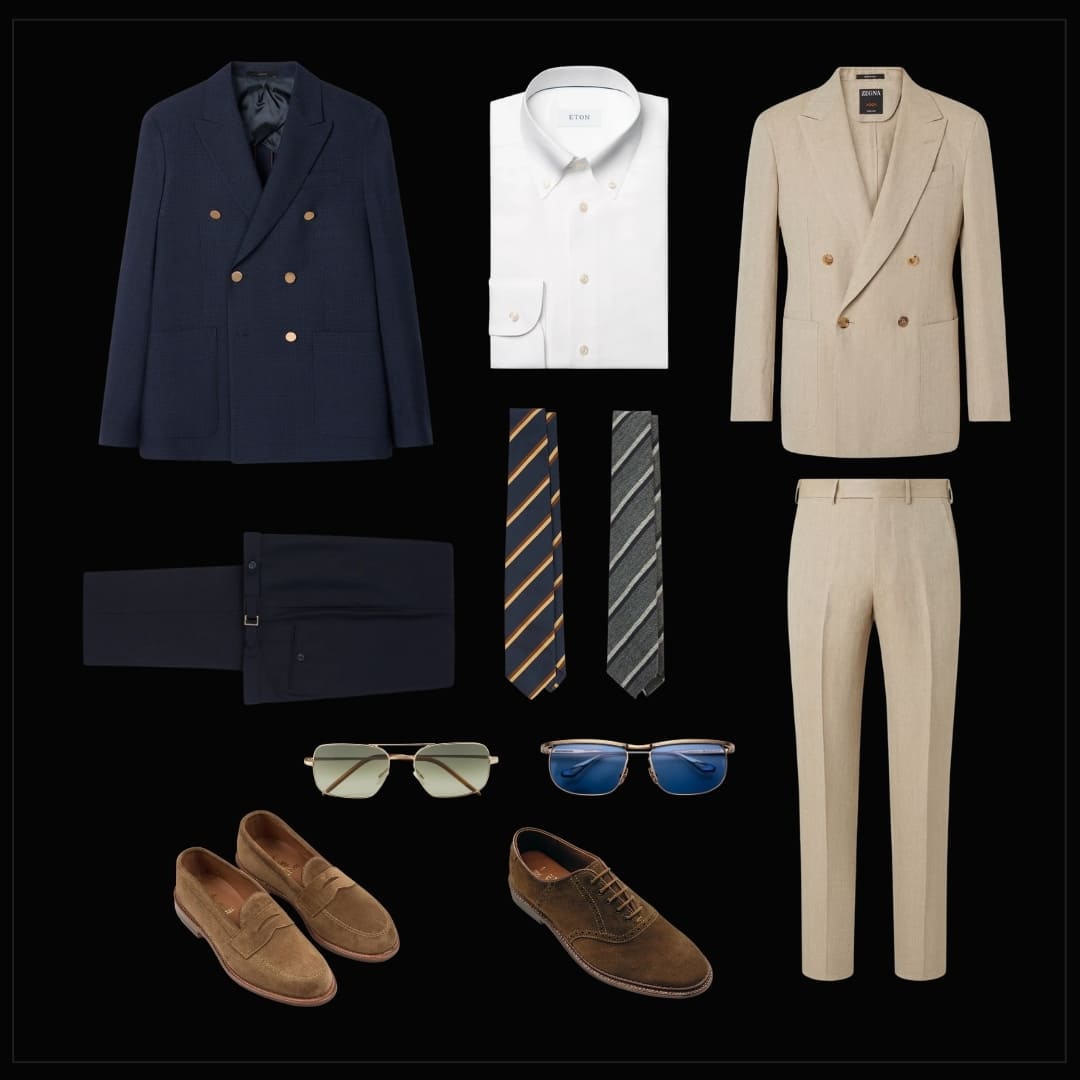
Wimbledon
See the outfit →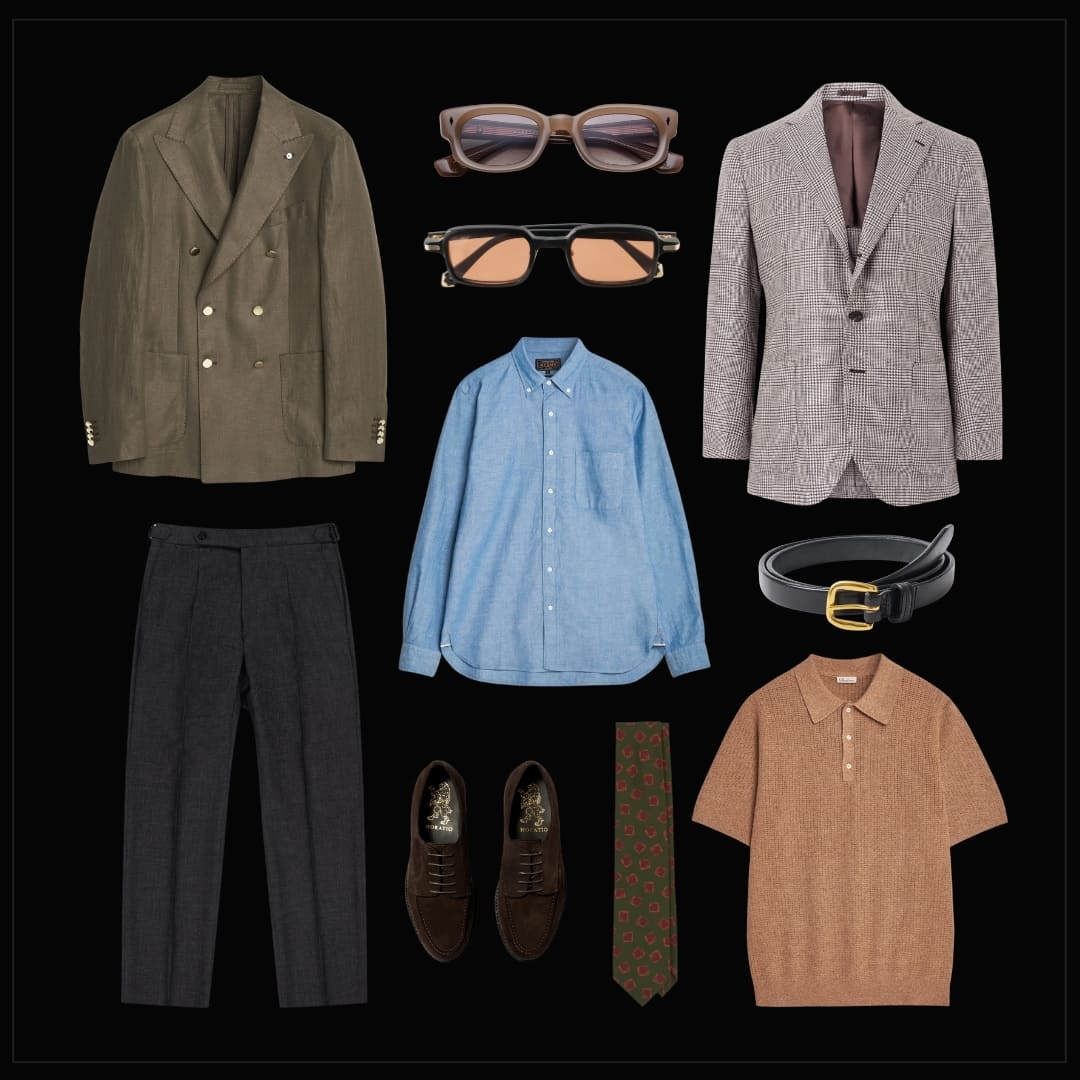
Roland-Garros
See the outfit →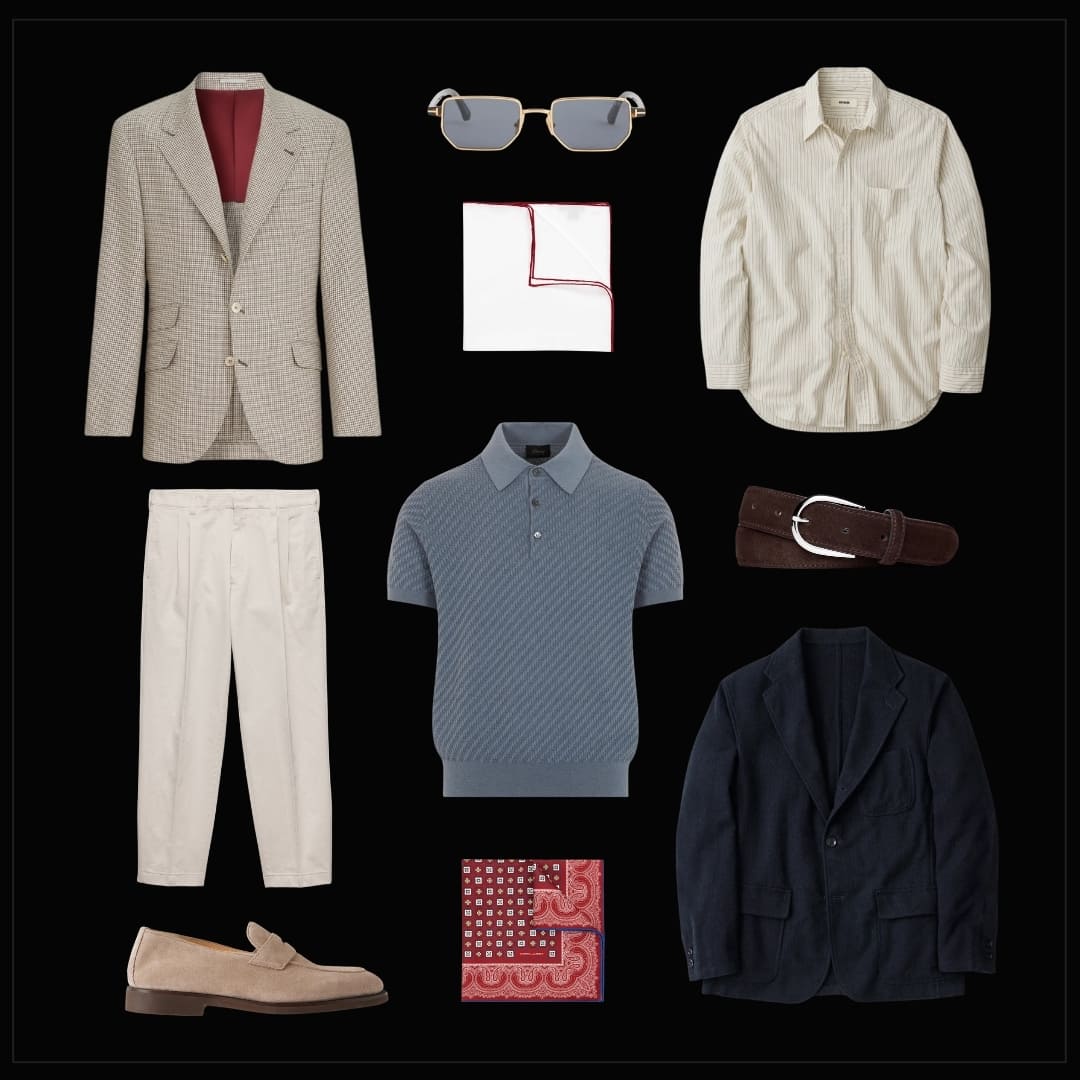
US Open
See the outfit →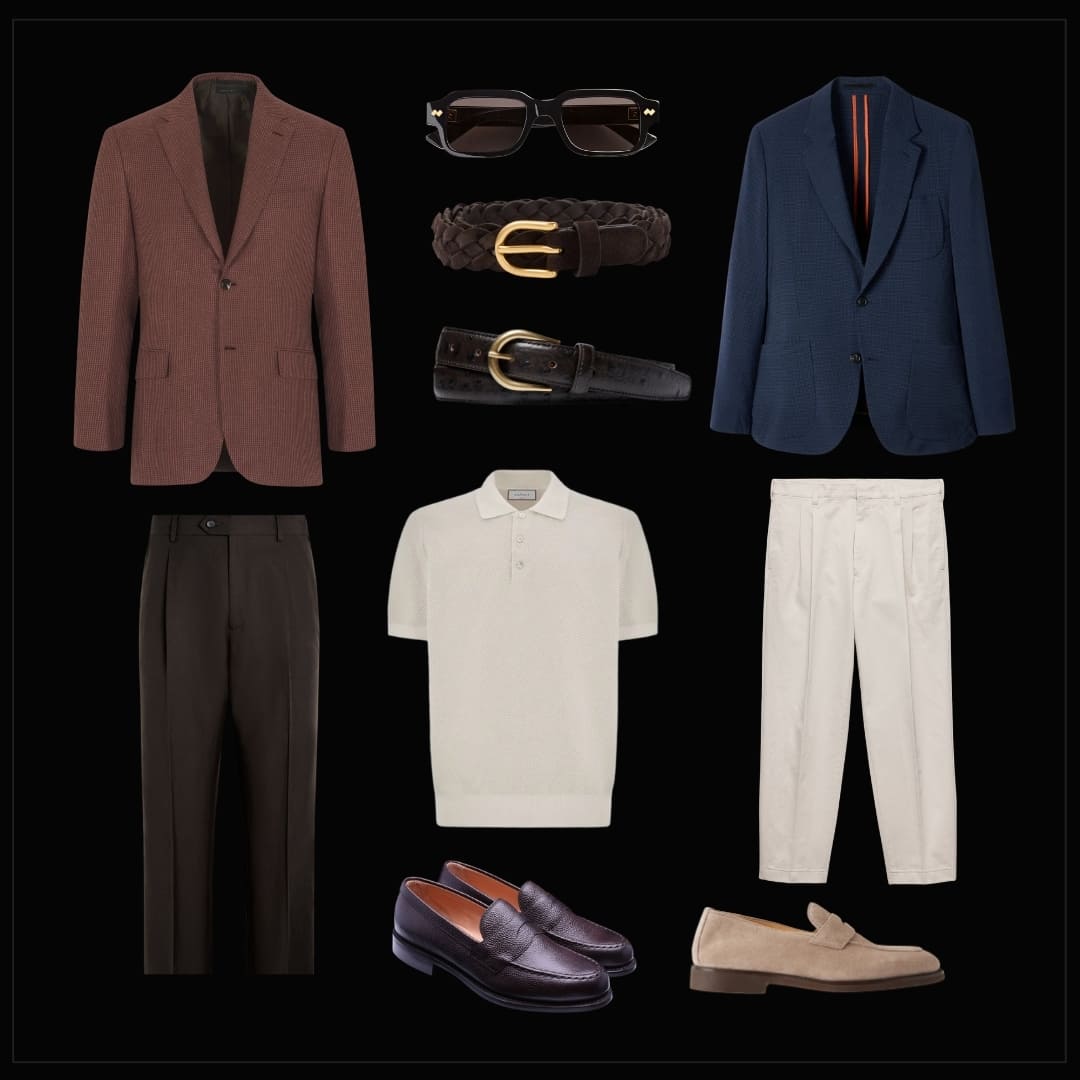
Australian Open
See the outfit →
What not to wear to a tennis match?
Most mistakes come from confusing sporting event, tennis style and spectator dressing. Avoid:
- Assuming a sporting event automatically calls for sportswear;
- Wearing technical clothing as though you are about to play;
- Copying a VIP or hospitality outfit without checking your own access;
- Wearing a suit simply because you are going to Wimbledon;
- Dressing too casually for a members’ or hospitality area with its own rules;
- Choosing footwear that will not work for several hours of walking;
- Ignoring heat, sun or changing weather;
- Forgetting a layer when the day continues into the evening;
- Assuming Wimbledon whites are a general spectator dress code;
- Combining every preppy or tennis reference in one outfit.
The goal is not to look “tennis-themed”. It is to look appropriate for the particular tennis experience you are attending.
What to wear to a tennis match becomes much easier once you stop looking for one universal spectator uniform. Start with the tournament, then check your access, session and expected conditions. From there, determine how polished the outfit genuinely needs to be. Then choose fabrics, footwear and clothing that suit the setting while remaining comfortable enough for the way you will actually spend the day. The tournament sets the tone. The right outfit comes from balancing that tone with your access, conditions and personal style.
About Drover Club
Drover Club is a men’s online styling service that helps men dress right for the moments that matter. For weddings, business events, black-tie evenings, cocktail parties and other special occasions, we curate complete, ready-to-shop outfits from different brands, based on your style preferences, budget, sizes and existing wardrobe.