Horse Racing Attire for Men: What to wear for Race Day?
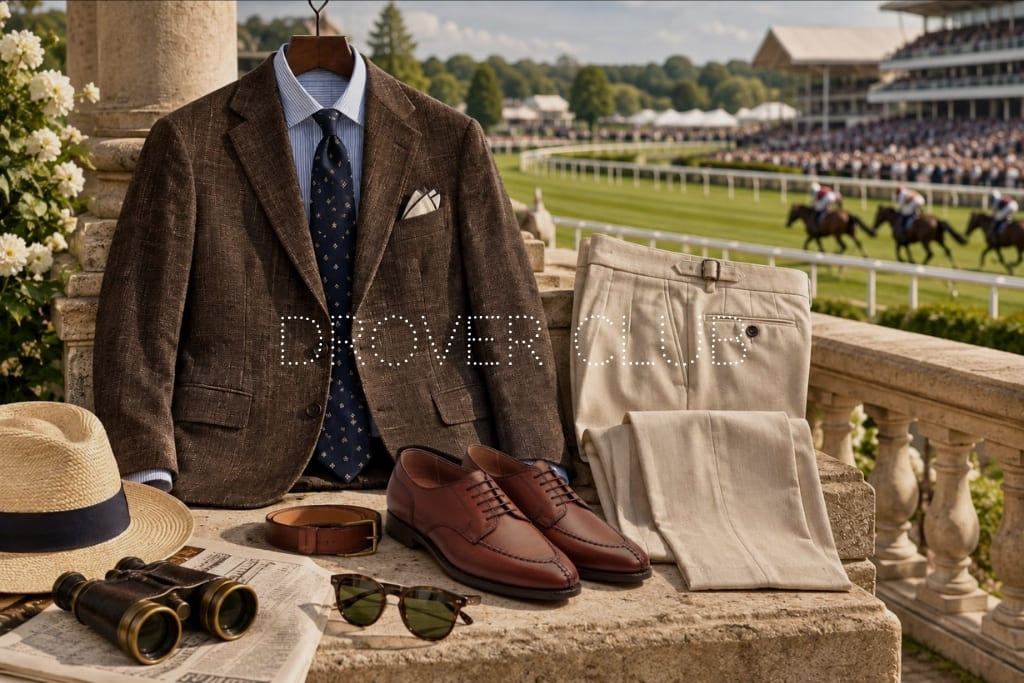
There is no single dress code for every horse race. What a man should wear depends on the race meeting, his ticket or enclosure, any official dress requirements and the conditions on the day. Some areas require a very specific level of formality, while others have no formal dress code at all. Two men attending the same racecourse may even need to dress differently depending on where their tickets give them access.
The weather and the way you will spend the day matter too. Several hours outdoors, long periods on your feet, wet grass or high temperatures can all affect your choice of fabric, footwear and layers without necessarily changing the level of formality expected.
The best approach is therefore to understand the requirements of your particular race day before choosing the clothes themselves. This guide explains how to determine the right level of dress, distinguish official requirements from tradition and build an outfit suited to the meeting, conditions and your own style.
This guide is for you if...
01 - “I’m going to the races and I’m not sure how formally I’m expected to dress.”
02 - “I don’t know whether the dress code changes depending on my ticket or enclosure.”
03 - “I want to respect race-day traditions without looking as though I’m wearing a costume.”
04 - “I need an outfit that looks right but still works for a long day outdoors and unpredictable weather.”
Horse racing attire at a glance
Before thinking about the suit, tie or shoes, start with the factors that actually determine what you should wear.
Always check the current official dress code for your specific race meeting and enclosure before choosing your outfit.
Table of Contents
- How to Decide What to Wear to the Races
- Required, Expected or Traditional: What Is the Difference?
- Horse Racing Attire by Formality Level
- The Race Day Outfit, Piece by Piece
- Dressing for a Full Day at the Races
- Flat Racing vs Jump Racing
- Horse Racing Attire by Race Meeting
- What Not to Wear to the Races
- FAQ - Horse Racing Attire for Men
How to decide what to wear to the races?
The first mistake is choosing an outfit based on a generic image of what “race-day style” is supposed to look like. Going to the races describes the type of event, not the dress code. Your outfit should be built around the reality of the day you are actually attending.
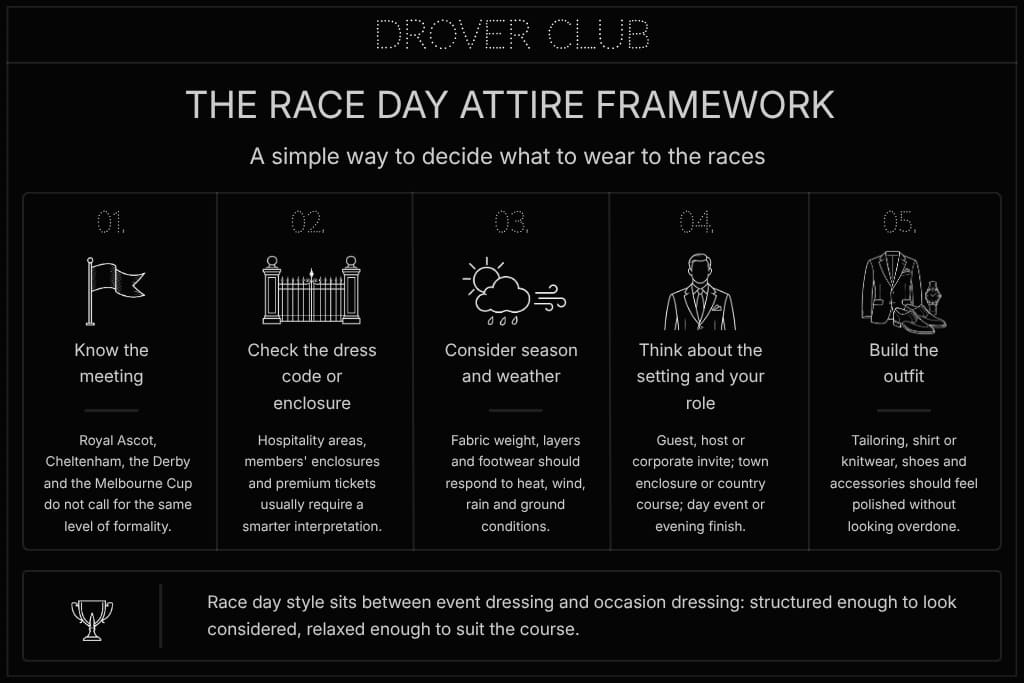
Start with the race meeting
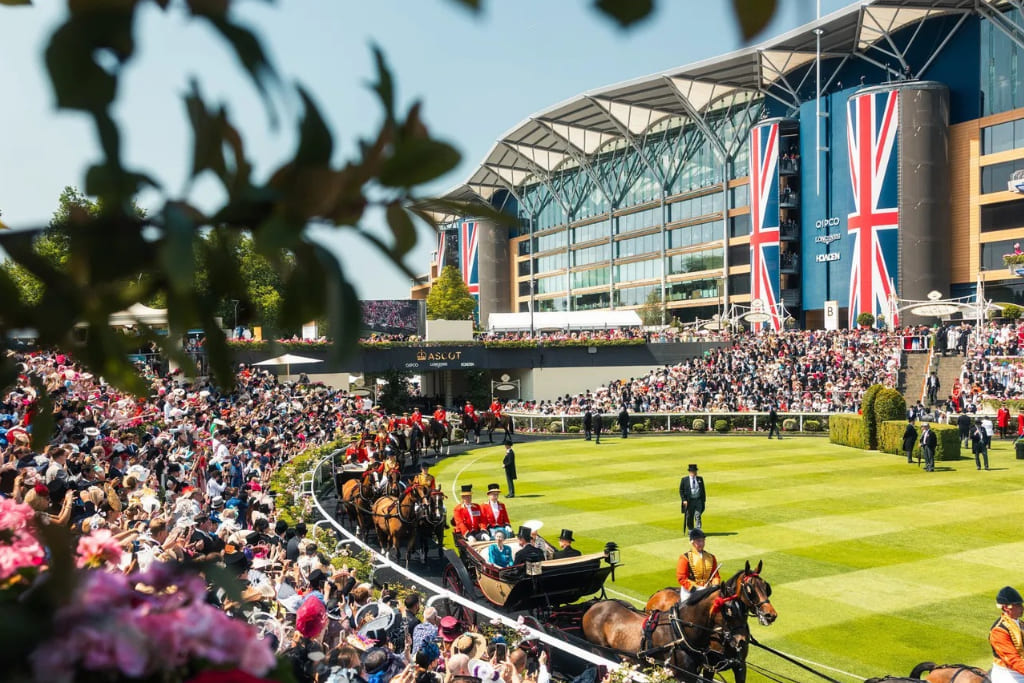
Royal Ascot, Cheltenham, the Epsom Derby, the Kentucky Derby and the Melbourne Cup all belong to the world of horse racing, but their traditions and circumstances are very different. Season, climate, audience, degree of ceremony and local culture can all influence how men dress. The meeting is therefore your first piece of context, but it is not enough on its own to determine the outfit.
Check your ticket and enclosure
This is often the most important piece of information. A racecourse may contain several different areas, including:
- general admission;
- grandstands;
- members’ enclosures;
- hospitality areas;
- premium or formal enclosures.
These areas do not necessarily follow the same dress requirements. Your ticket can therefore determine both where you spend the day and, in some cases, what you are expected to wear. The Epsom Derby illustrates this particularly well: the appropriate level of dress can change considerably depending on the area you are attending. The useful question is not simply: “What do people wear to Epsom?” but: “What is expected in the area my ticket gives me access to?”
Check the official dress requirements
Once you know the meeting and enclosure, consult the official guidance from the racecourse or organiser first. Dress requirements can vary significantly between different areas of the same event as the Epsom Derby dress code demonstrates.
You need to distinguish between:
- Required → What you must actually wear or follow.
- Prohibited → What is not permitted.
- Expected → What strongly matches the level of the occasion without necessarily being compulsory.
- Traditional → What forms part of the meeting’s dress culture without being an official rule.
This prevents you from treating tradition as a requirement or a requirement as a suggestion. Tradition and requirement are not the same thing.
Check the conditions
A day at the races can involve:
- several hours outdoors;
- plenty of walking and standing;
- sun;
- heat;
- rain;
- wind;
- wet grass;
- mud;
- changing temperatures.
These conditions primarily influence fabric, layering and footwear. An outfit that looks excellent in a photograph may be a poor choice if it becomes uncomfortable or impractical after several hours. A good race-day outfit should respect the dress code while still working in the real conditions of the day.
Add your personal style last
Once the constraints are clear, you can use the remaining freedom to make the outfit your own through:
- colour;
- fabric;
- texture;
- tie;
- pocket square;
- footwear;
- headwear;
- accessories;
- proportion.
The order matters. Personal style comes after the requirements, not instead of them.
Required, expected or traditional: what is the difference?
Race-day guides sometimes blur the line between what is actually required and what is simply associated with the tradition of a particular meeting. To dress correctly, it helps to separate the two.
If morning dress is explicitly required, it is not simply one option among several. You need to follow the dress code. By contrast, a meeting may be strongly associated with particular colours, accessories or silhouettes without requiring every attendee to adopt them.
A simple way to approach it is:
- What is required? → Follow it.
- What is expected or traditional? → Use it to understand the tone of the occasion.
- Where is there still freedom? → Personalise there.
Good to know: Traditional does not always mean required and required should never be treated as optional.
Horse racing attire by formality level
There is no single horse racing outfit for men, but several broad levels of formality can help you understand the direction your outfit may need to take. Official rules for your meeting and enclosure always come first.
Formal race day
Some race days or enclosures require a particularly high level of formality. Where morning dress is specified, it follows established conventions: a morning coat, waistcoat, formal trousers, shirt, tie, polished shoes and the appropriate headwear where the dress code requires it.
Other premium areas may expect a high level of dress without requiring full morning dress: a formal suit, collared shirt, tie and dress shoes may be more appropriate. Morning dress should therefore never be treated as the generic uniform for British horse racing. Formal race-day dressing should respond to an actual requirement or context, not to a generic image of racing.
Classic race day
When the setting is smart or traditional without being highly ceremonial, a suit is often a particularly reliable starting point. A classic formula might be: Suit + Shirt + Tie + Smart Leather Shoes.
Fabric and colour can then change according to the season and meeting. For spring and summer, lightweight wool, mid-grey, navy and certain seasonal tones can all work. In a more conservative setting, restrained colours and slightly more structured tailoring will generally feel more appropriate. Classic race-day attire should look intentional and appropriate without becoming unnecessarily ceremonial.
Weather-led race day
When the dress code is less prescriptive and much of the day will be spent outdoors, the conditions can have a greater influence on what you wear. A possible direction is: Tailored Jacket + Tailored Trousers + Shirt or Refined Knitwear + Appropriate Layers + Smart Practical Footwear.
In autumn or winter, that could mean:
- denser wool;
- flannel;
- tweed or other suitable textures;
- knitwear;
- an overcoat;
- footwear better suited to damp ground.
The principle remains the same: Weather-led does not mean casual. It means adapting practical choices within the appropriate level of dress.

The race day outfit, piece by piece
Once the requirements and overall direction are clear, each piece should answer three questions: Does it suit the dress code? Does it suit the conditions? Does it work with the rest of the outfit?
Tailoring
Tailoring plays a major role in race-day style, but the appropriate level can vary considerably. Depending on the setting, that may range from morning dress to a suit, then to a tailored jacket and trousers where greater flexibility is permitted. The season then helps determine the fabric.
Spring / Summer
- lightweight wool;
- tropical wool;
- wool-linen blends;
- lighter construction;
- seasonal colour where appropriate.
Autumn / Winter
- heavier wool;
- flannel;
- more pronounced texture;
- layering;
- deeper colours.
Good to know: Choose the right level of tailoring first. Colour and personality come afterwards.
Shirts and ties
A collared shirt is a particularly reliable base whenever tailoring is expected. White and pale blue remain easy choices, while restrained colours or subtle patterns can add more personality where the setting allows. The tie depends much more heavily on the specific meeting and enclosure.
It may be:
- compulsory;
- strongly expected;
- traditional;
- or completely optional.
Avoid universal statements such as: “Race day always requires a tie.” or: “A tie is always optional.” Either may be incorrect. Your tie should reflect the actual level of formality, not a visual cliché of the races.
Shoes
Footwear is probably where formality and practicality need to work together most carefully. Depending on the context, Oxfords, Derbies, refined loafers or slightly more robust smart shoes may all be appropriate. You should also consider:
- walking;
- time spent standing;
- grass;
- wet conditions;
- the sole;
- genuine comfort.
A perfectly formal shoe that becomes painful after an hour is rarely a good choice for an entire day at the races. The right race-day shoe needs to satisfy both the dress code and the ground underneath it.
Outerwear
At a cold or wet meeting, your coat is genuinely part of the outfit. It should therefore maintain a level of formality that works with whatever you are wearing underneath. For more formal occasions, a structured overcoat will usually feel more natural.
For less prescriptive race days, greater texture or a subtle country influence may work when the context supports it. The aim is to avoid building an excellent outfit and then covering it for most of the day with technical outerwear that feels completely disconnected from everything underneath. If you are going to wear the coat for most of the day, the coat is part of the outfit.
Hats and headwear
Headwear is strongly associated with racing, which also makes it particularly easy to misinterpret. Depending on the event, it may be:
- required;
- traditional;
- a personal style choice;
- or completely unnecessary.
So the useful question is not: “I’m going to the races, which hat should I buy?” but: “Is headwear required, traditional, appropriate or simply optional for my event?”
Good to know: Do not add headwear simply because you associate it with horse racing.
Accessories
Once the main requirements are covered, accessories can add character through:
- a pocket square;
- watch;
- sunglasses;
- tie;
- socks;
- seasonal accessories;
- practical items permitted by the venue.
There is rarely any need to use every possible race-day reference at once. Race-day style works best when the references to the occasion feel natural rather than theatrical.
Dressing for a full day at the races
A race-day outfit needs to work for several hours, not just when you first arrive.
In warm weather
Choose a lighter version of the correct level of formality rather than automatically making the outfit more casual. Lightweight wool, tropical wool, wool-linen blends and lighter construction can help tailoring remain comfortable in warm conditions.
In cold weather
Wool, flannel, knitwear, a scarf and an appropriate coat naturally become more important. If you are likely to wear your outerwear for most of the day, give it as much consideration as the suit or jacket underneath.
In the rain
Weather protection should still be compatible with the required level of dress. The stricter the enclosure, the more important it becomes for practical layers to work naturally with the tailoring beneath them. Venue rules should also be checked before bringing weather-related accessories.
On grass or wet ground
Your choice of sole and shoe material becomes particularly important. A shoe that works perfectly in a covered hospitality area may be much less suitable for several hours on wet grass. Practicality should refine the outfit, not lower the level of dress required.
Flat racing vs jump racing
Flat racing and jump racing are not separate dress codes, but their usual seasons help explain some of the differences you often see in men’s race day outfits.
Flat racing
Spring and summer meetings lend themselves more naturally to:
- lightweight tailoring;
- breathable fabrics;
- seasonal colours;
- lighter footwear where permitted;
- slightly more expressive accessories.
But the season alone never determines the level of formality.
Jump racing
Autumn and winter meetings naturally give more room to:
- tweed;
- flannel;
- wool;
- knitwear;
- outerwear;
- layering;
- footwear suited to the ground.
Flat vs jump racing helps explain the environment. The specific meeting and enclosure still determine the dress requirements.
Horse racing attire by race meeting
Every major race meeting has its own dress culture. In some cases, the expectations even change according to the area your ticket allows you to enter. Always check the latest official guidance before attending, as dress codes can change.
Royal ascot
Royal Ascot is a particularly clear example of why your enclosure matters. Different areas do not necessarily follow the same requirements, and the most formal enclosures retain a much more codified tradition of formal daywear than the more accessible areas. The first question should therefore always be: “Which enclosure am I attending?”
In more flexible areas, Ascot tradition can still inform your tailoring, fabrics and accessories without requiring you to reproduce the rules of the strictest enclosures. At Royal Ascot, your enclosure determines how much of the tradition is a rule and how much is a choice.
See one complete outfit for Royal Ascot → What to wear for Royal Ascot?
Epsom derby
Epsom is perhaps the clearest example of the Race Day Attire Framework in practice. Depending on the area, expectations can range from considerable freedom to a highly specific formal dress code. A generic search for “What should I wear to the Epsom Derby?” therefore does not tell you enough.
At Epsom, knowing your ticket can matter as much as knowing the event. In areas without a strict formal requirement, elegant seasonal tailoring may be entirely appropriate without attempting to recreate the morning dress worn in spaces where it is required.
See one complete outfit for the Epsom Derby → What to wear for the Epsom Derby?
Cheltenham races
Cheltenham follows a very different logic. The Festival is strongly associated with smart racewear, but the weather and the jump-racing season play a major role in how men dress. Texture, layering, outerwear and footwear suited to the conditions therefore become particularly important. Tweed, wool, flannel, knitwear and overcoats can all work naturally when used with sufficient refinement.
The danger is taking the country influence too far. Cheltenham style should respond to the weather and racing culture without turning into countryside costume.
See one complete outfit for Cheltenham Races → What to wear to Cheltenham Races?
Kentucky derby
The Kentucky Derby has a much more expressive visual identity. Colour, pattern, spring tailoring, ties or bow ties and accessories can all have a stronger presence than at some traditional British meetings. But that freedom does not mean every Derby cliché needs to appear in the same outfit.
Where you will spend the day, the weather and the amount of walking involved should still influence your choices. Derby style can be expressive without needing every element to announce “Kentucky Derby”.
See one complete outfit for the Kentucky Derby → What to wear to the Kentucky Derby?
Melbourne cup
The Melbourne Cup also has a strong culture of racewear and colour. At Flemington, however, expectations can differ considerably depending on the type of access you have.
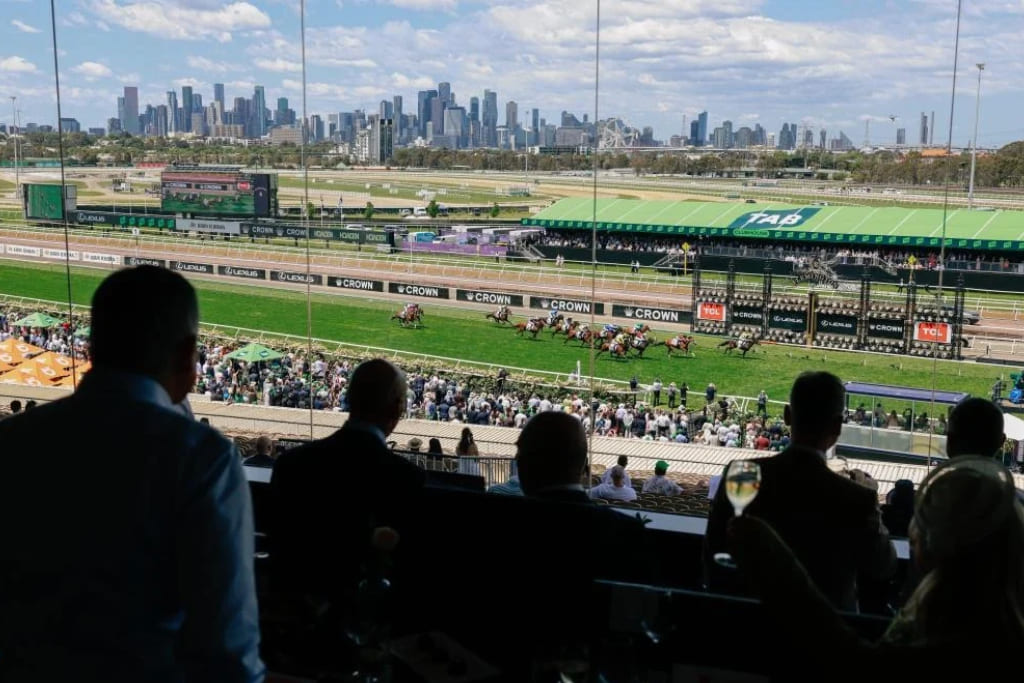
Some areas allow substantial freedom, while others follow much more specific standards of dress. Personal expression therefore needs to come after you understand the requirements of your enclosure. At Flemington, race-day expression comes after the requirements of the enclosure.
See one complete outfit for the Melbourne Cup → What to wear to the Melbourne Cup?
Explore Race Day Outfits by Meeting

Royal Ascot
See the outfit →
Epsom Derby
See the outfit →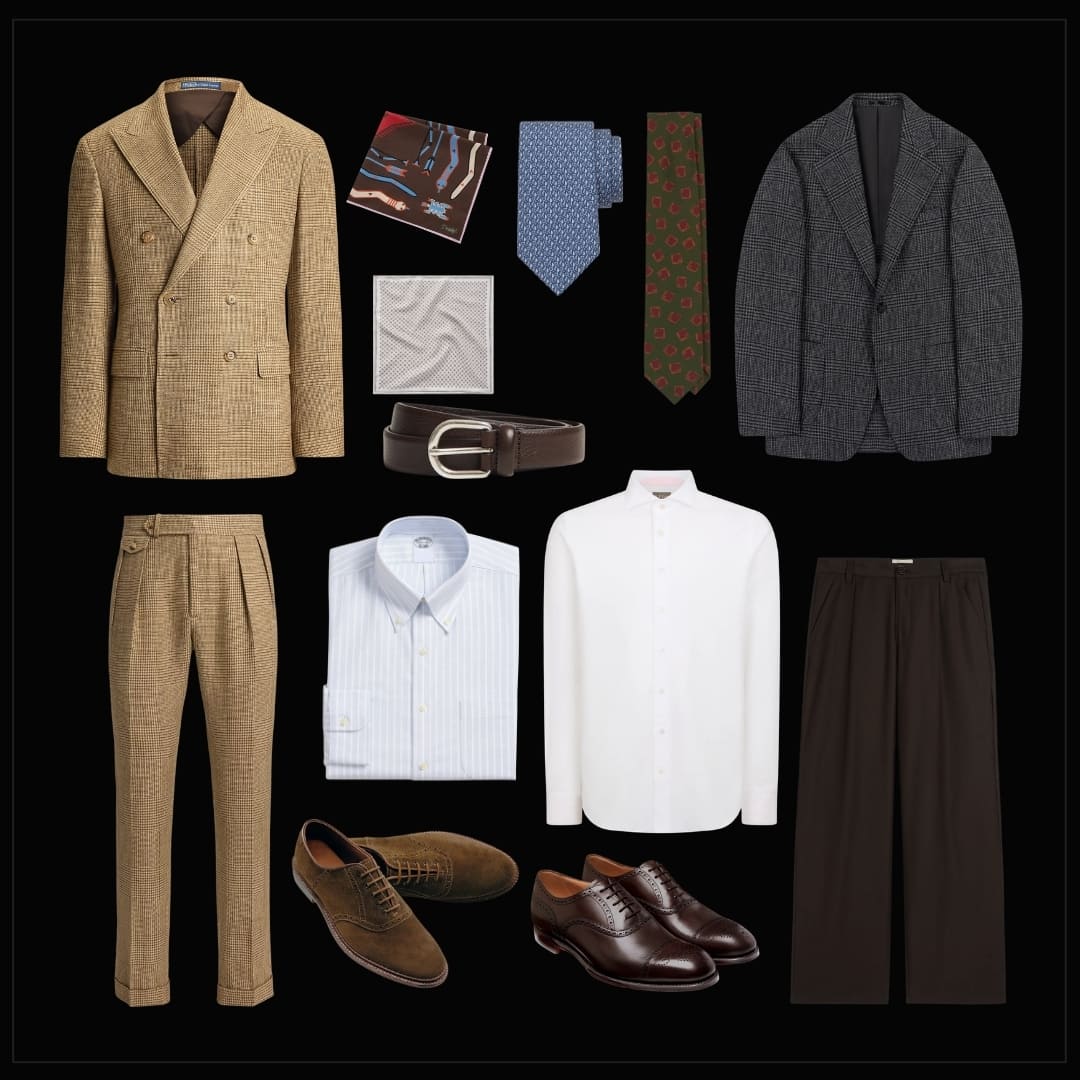
Cheltenham Races
See the outfit →
Kentucky Derby
See the outfit →
Melbourne Cup
See the outfit →
What not to wear to the races?
Most race-day mistakes come from misreading the context rather than choosing one particular “wrong” garment.
Avoid:
- Choosing your outfit without checking your ticket or enclosure;
- Assuming a suit is compulsory at every race meeting;
- Assuming official dress requirements are never actually enforced;
- Wearing morning dress simply because it looks “horse racing”;
- Copying an outfit from another meeting without checking the expectations of your own;
- Turning the traditions of the event into a themed costume;
- Ignoring the weather or ground conditions;
- Choosing shoes unsuitable for several hours of walking;
- Wearing pieces that are too casual when an enclosure explicitly requires tailoring;
- Piling on colour, a hat, tie and accessories simply to look more “race-day”.
The aim is not to look generically “race-day”. It is to look right for the specific race day you are actually attending.
What to wear to the races becomes much easier once you stop treating horse racing attire as a single dress code. Start with the race meeting, then check your ticket or enclosure, any official dress requirements and the conditions expected on the day. Once those constraints are clear, tailoring, fabrics, footwear, colour and accessories can be used to build an outfit that respects the occasion while still feeling like your own. The race meeting sets the tradition. The right outfit comes from understanding how that tradition applies to your actual day.
About Drover Club
Drover Club is a men’s online styling service that helps men dress right for the moments that matter. For weddings, business events, black-tie evenings, cocktail parties and other special occasions, we curate complete, ready-to-shop outfits from different brands, based on your style preferences, budget, sizes and existing wardrobe.